
 By admin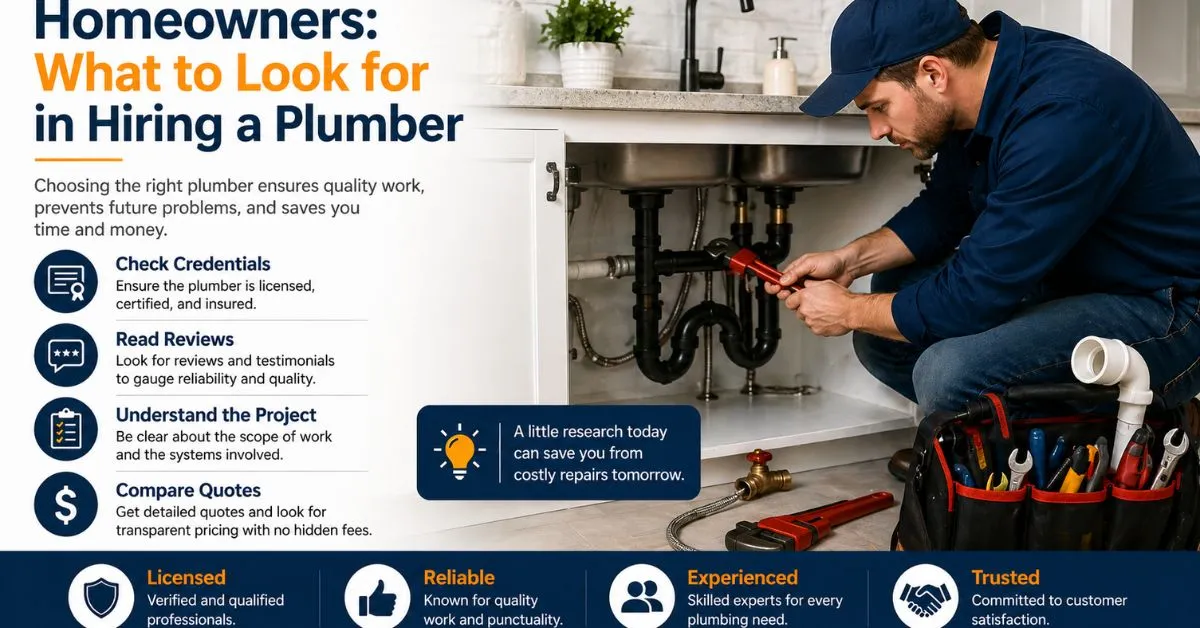
Emergency leaks, routine maintenance, or extensive plumbing work all demand the expertise of a professional plumber. However, not all plumbers come equally skilled or reliable. It’s a common scenario for homeowners to be left with subpar work due to hasty hiring decisions. Selecting the right plumber can save you from future headaches, additional costs, and ensure that the job is done right.
Understanding the critical criteria to consider when hiring a plumber will lead you to make better, more informed decisions for your home. Below, we’ll discuss the importance of credentials, customer feedback, project scope, and transparent pricing as you navigate the hiring process.
Hiring a licensed plumber is the first step to ensuring quality workmanship. In many locations, plumbers are required to pass specific exams and have a certain amount of hours of on-the-job training to receive licensure. Reliable professionals stay updated with the latest codes and practices, bringing a high level of expertise to your project.
Licenses prove legitimacy and proficiency, but certifications from reputable trade organizations can take it a step further. A plumber with certifications such as the Certified Plumbing Design Technician (CPDT) or affiliations with groups such as the Plumbing-Heating-Cooling Contractors Association (PHCC) demonstrates a commitment to ongoing professional development.
Ask for proof of credentials and ensure they are current. Homeowners should also inquire about insurance; qualified plumbers will have liability coverage and worker’s compensation to protect against accidental property damage or on-the-job injuries.
Customer experiences are invaluable insights into a plumber’s reliability and quality of work. Reading through reviews and testimonials can reveal patterns in performance, be it punctuality, thoroughness, or communication.
Past client endorsements on local business directories, trade websites, or even social media can serve as references. Look for comments discussing similar plumbing work to yours to gauge the relevance. Conversely, be wary of consistent issues mentioned across multiple reviews, as they likely indicate systemic problems rather than isolated incidents.
It’s a prudent step to ask the plumber for references. Contacting previous clients provides a more nuanced understanding of the plumber’s work ethic and outcomes. This direct feedback can be fundamental in your decision-making process.Angie’s List or similar services can also be utilized to authenticate these testimonials.
Being clear on the scope of your plumbing needs will help in selecting a plumber with the right experience. Small repairs like fixing a leaky faucet may not require a master plumber, but larger, more complex jobs might.
Determine whether your project is a repair, replacement, or installation, and consider the systems involved—be it gas, water, or sewer lines. This information will help identify professionals with specific expertise in those areas. Plumbers often have portfolios showcasing their previous projects; these can be a good indicator of their competence with a job similar to yours.
Before work begins, ensure all parties are on the same page. Clear communication about the expected outcome, the steps involved, and the timeline can prevent misunderstandings and help in achieving the desired results. Setting up a detailed, written agreement is highly recommended.
Price is a critical factor in hiring a plumber, but it should be considered alongside quality and expertise. Obtaining multiple quotes is smart, but remember that the cheapest option isn’t always the best.
Analyze the detailed breakdown of costs that reliable plumbers should provide. It should include labor, materials, potential additional fees, and a clear statement of the payment structure. Take note of any significant discrepancies between quotes, as they may point to either missing elements in the project scope or an overcharge.
Open communication about pricing is crucial. A trustworthy plumber will not hesitate to discuss their rates openly and explain any line items you’re unsure about. They should also inform you about their procedure for handling unforeseen issues that may increase costs. An honest approach to pricing can help to set realistic budget expectations and avoid surprise expenses.
Ultimately, choosing the right plumber involves a combination of verifying qualifications, evaluating past customer experiences, clarifying the scope of work, and understanding pricing. By taking the time to thoroughly vet your options, you can form a partnership with a plumbing professional who will work diligently to maintain the integrity of your home’s plumbing systems. Making an informed hiring decision today can save you from potential costly disappointments tomorrow.
 Callum