
 By admin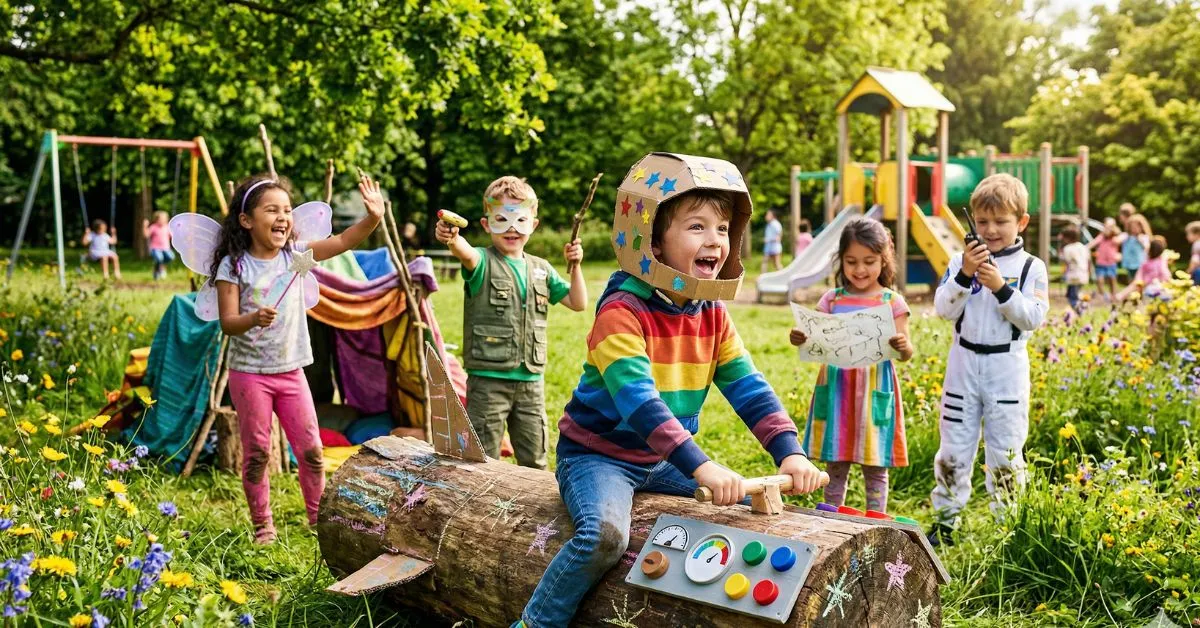
Imagination is often described as a muscle that requires consistent exercise to grow strong. During the formative years of early childhood, a child’s ability to conjure up imaginary worlds and solve abstract problems is at its peak. While the home environment provides a safe and familiar space for play, venturing outside those four walls introduces new sensory inputs and social dynamics that are essential for cognitive expansion. When children engage in creative play in diverse settings, they learn to adapt their thinking and apply their internal creativity to the external world.
The human brain thrives on novelty. When a child enters a new playground, a museum, or a specialized learning center, their brain begins to map out the environment and identify possibilities for interaction. A simple fallen log in a local park is not just wood; in the mind of a child, it becomes a balance beam, a rocket ship, or a bridge over a river of lava. These transitions from reality to fantasy are the building blocks of symbolic thought.
By providing access to different landscapes, parents allow children to test the limits of their creativity. Structured environments, such as a high-quality preschool in Taylorsville, are specifically designed to facilitate these imaginative leaps. In such settings, the availability of open-ended materials like wooden blocks, silk scarves, and clay encourages children to invent their own purposes for objects rather than following a predetermined set of instructions.
One of the most complex forms of creativity is cooperative play. When two or more children decide to “play house” or “run a store,” they are engaging in a sophisticated social contract. They must negotiate roles, establish rules, and maintain the internal logic of their shared fantasy. This requires a high level of verbal communication and emotional regulation.
Outside the home, children meet peers with different backgrounds and perspectives. This diversity enriches their play, as they are exposed to new ideas and ways of storytelling that they might not encounter within their own family circle. Learning to incorporate a friend’s idea into a shared story is a vital lesson in compromise and collaboration. These social interactions turn a solitary imaginative act into a collective building project, which mirrors the problem-solving skills required in adulthood.
Nature is perhaps the greatest catalyst for creativity. Unlike plastic toys with flashing lights and pre-recorded sounds, natural elements like sand, water, and stones are “quiet” toys. They do not tell the child how to play; instead, they wait for the child to assign them a meaning. The tactile sensation of mud or the sound of wind through the trees provides a rich sensory background that stimulates the nervous system in a balanced way.
Outdoor play also encourages physical risk-taking within a controlled environment. Climbing a small hill or navigating a stone path requires spatial awareness and motor planning. As children master these physical challenges, their confidence grows, which in turn fuels more daring and complex imaginative scenarios. The freedom of wide-open spaces allows for a scale of play that is simply not possible indoors, such as building large-scale forts or engaging in high-energy “epic” quests across a field.
Stimulating imagination also involves providing the tools for artistic output. In community workshops or specialized classrooms, children often have access to mediums that might be too messy for the living room. Large-scale finger painting, woodworking with soft balsa, or water-play stations allow for a deeper exploration of cause and effect.
The focus in these environments should always be on the process rather than the final product. When a child is allowed to experiment with colors and textures without the pressure of creating a “perfect” picture, they feel safer taking creative risks. This freedom to fail and restart is essential for developing a resilient and innovative mind.
Fostering a creative spirit does not always require a grand trip to a museum. It can be found in the small moments of a daily walk or a visit to the local library. Asking open-ended questions like “What do you think that cloud looks like?” or “What kind of animal would live in that hole in the tree?” prompts the child to look past the surface of their surroundings.
Ultimately, stimulating a child’s imagination outside the home is about providing a balance of freedom and inspiration. By placing children in environments that challenge their senses and introduce them to new social circles, parents give them the keys to a lifelong love of learning and a robust, creative intellect.