
 By admin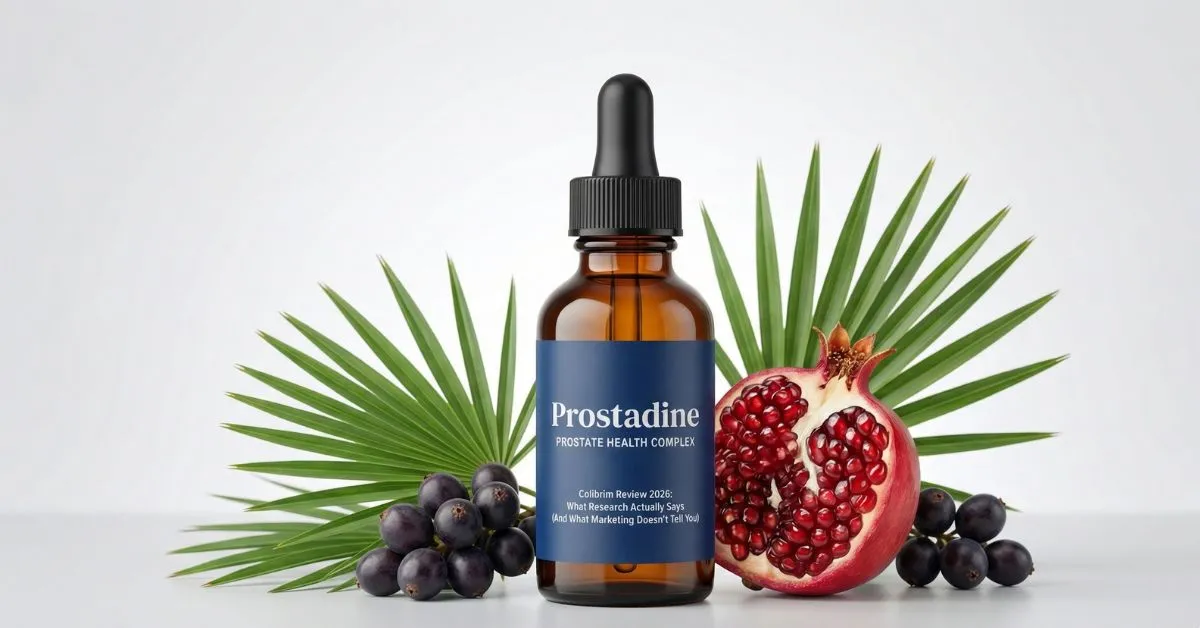
The $69 Supplement Promising to Solve What Prescription Drugs Can’t
Every night, Michael wakes up three times to use the bathroom. He’s 58, otherwise healthy, and increasingly frustrated. His doctor mentioned benign prostatic hyperplasia—BPH—and suggested either prescription medication with potential sexual side effects, or “watchful waiting.”
Then Michael found Prost
adine Colibrim online. The marketing promised natural prostate support, improved urinary flow, and freedom from nighttime bathroom trips—all from a liquid supplement combining seaweeds, saw palmetto, and minerals. No prescription needed. $69 per bottle.
Sound familiar?
Prostadine Colibrim has become one of the most searched prostate supplements of 2025-2026, generating thousands of reviews across e-commerce platforms and health forums. The product sits at an interesting intersection: enough scientific research on individual ingredients to sound credible, enough marketing hype to raise skepticism, and enough genuine user testimonials to complicate easy dismissal.
This investigation examines what research actually says about Prostadine Colibrim’s formula, separates verified user experiences from affiliate marketing spam, and provides the honest assessment that helps men make informed decisions about prostate health.
Prostadine Colibrim is a liquid dietary supplement marketed primarily for prostate health and urinary function support. The product is sold directly through official websites and select authorized retailers including Amazon and Walmart, with pricing typically around $69 for a 60ml bottle (30-day supply).
The term “Colibrim” refers to the proprietary formulation rather than a separate product—it’s marketing language describing the specific blend of ingredients and delivery method used in Prostadine.
- Seaweed extracts: Nori yaki, wakame, kelp powder, bladderwrack
- Saw palmetto: Traditional herbal prostate support
- Pomegranate extract: Antioxidant compound
- Iodine: Essential mineral for glandular health
- Shilajit: Mineral-rich compound from Himalayan rock formations
- Neem: Antibacterial herb
The liquid delivery system represents the product’s main differentiator from standard capsule-based prostate supplements. Liquid formulations potentially offer faster absorption and higher bioavailability compared to compressed tablets, though clinical evidence specifically comparing Prostadine’s liquid formula to capsule equivalents remains limited.
Understanding Prostadine Colibrim requires examining research on its individual components—not the proprietary blend itself, which hasn’t been independently studied in peer-reviewed clinical trials.
Saw palmetto extract dominates prostate supplement research, with over three decades of clinical studies examining its effectiveness for benign prostatic hyperplasia symptoms.
The Mechanism: Saw palmetto theoretically works by inhibiting 5-alpha-reductase, the enzyme converting testosterone to dihydrotestosterone (DHT). Elevated DHT levels contribute to prostate enlargement. By reducing DHT production, saw palmetto might help maintain normal prostate size and function.
Recent Research Findings:
A 2025 study published in Lower Urinary Tract Symptoms found that saw palmetto extract demonstrated “anti-proliferative and pro-apoptotic effects by inhibiting 5α-reductase and DHT expression” in laboratory studies using prostate cells and animal models. The research showed reduced prostate weight and decreased DHT levels in treated subjects.
Another 2025 comparative study in Urological Research and Practice found saw palmetto performed comparably to prescription medications (finasteride and tamsulosin) in improving urinary flow and reducing symptoms in patients with mild to moderate BPH over 24 weeks of treatment.
The Contradictory Evidence:
However, a comprehensive 2024 Cochrane Review—widely considered the gold standard in medical evidence synthesis—analyzed 27 placebo-controlled studies involving 4,656 participants and concluded: “Results published in 2024 showed no improvement in urinary symptoms or quality of life from taking saw palmetto (alone or with other herbal supplements) over durations ranging up to 17 months.”
Harvard Health Publishing echoed this skepticism in April 2025, with experts stating: “If the ingredients in these herbal products worked well for urinary symptoms, drug companies would have already had them approved by the FDA as a medicine that insurance companies would have to cover.”
What This Means: The research on saw palmetto remains genuinely mixed. Laboratory and animal studies show promising mechanisms. Some human trials show benefits comparable to prescription medications. Other high-quality reviews find no significant effect beyond placebo. This isn’t marketing deception—it’s legitimate scientific uncertainty about an herbal compound that appears to work for some men but not others.
Prostadine’s marketing emphasizes its seaweed-based ingredients (nori, wakame, kelp, bladderwrack) as providing iodine and trace minerals that supposedly “flush toxins” from the prostate.
The Plausible Part: Iodine is essential for endocrine function, including hormone regulation that affects prostate health. Seaweeds are among the richest natural iodine sources. Adequate iodine supports thyroid function, which indirectly influences testosterone metabolism.
Research published in 2024 in the Journal of Urological Nutrition explored “iodine-dependent endocrine modulation and its relationship to prostate cellular balance,” suggesting iodine plays roles in prostate cell health beyond basic metabolism.
Wakame contains fucoidans—complex polysaccharides studied for anti-inflammatory properties. A 2023 study in Hormonal Nutrition Insights examined “iodine-driven endocrine modulation and urinary comfort outcomes,” finding potential benefits in reducing inflammatory markers associated with urinary discomfort.
The Questionable Part: The “hard water toxins accumulating in the prostate” theory appears in Prostadine marketing but lacks substantial peer-reviewed support. While mineral accumulation can occur in prostate tissue (particularly calcium deposits), the specific claim that Prostadine’s seaweed blend “detoxifies” the prostate through this mechanism isn’t backed by clinical trials showing cause-and-effect relationships.
A 2023 population study found no significant association between seaweed consumption and prostate cancer risk, suggesting the protective effects of seaweeds might be overstated in supplement marketing.
What This Means: Iodine and seaweed compounds have theoretical benefits for prostate health through hormone regulation and anti-inflammatory pathways. The “detoxification” framing is marketing language that oversimplifies complex biochemistry.
Pomegranate extract represents one of Prostadine’s more evidence-supported ingredients.
A 2017 medical review demonstrated pomegranate’s ability to inhibit prostate cancer cell growth in laboratory studies. The antioxidant compounds in pomegranate—particularly ellagic acid and punicalagin—showed protective effects on prostate cells exposed to oxidative stress.
Additional research links pomegranate consumption to slower PSA (prostate-specific antigen) doubling time in men with prostate cancer, suggesting potential protective mechanisms worth further investigation.
What This Means: Pomegranate extract has legitimate research support for prostate cell protection, though most studies focus on cancer prevention rather than BPH symptom relief.
Shilajit—a mineral-rich substance formed from decomposed plant matter in mountain rocks—has been used in traditional medicine systems for centuries.
Modern research suggests shilajit contains fulvic acid and over 80 trace minerals. Studies have explored its anti-inflammatory properties and potential benefits for cellular energy production. However, high-quality clinical trials specifically examining shilajit’s effects on prostate health remain limited.
What This Means: Interesting traditional compound with preliminary research, but lacking robust clinical evidence specific to prostate function.
Neem exhibits strong antibacterial and anti-inflammatory properties in laboratory studies. Its inclusion in Prostadine likely aims to address potential bacterial prostatitis and reduce inflammation. However, specific research demonstrating neem’s effectiveness for prostate health in human subjects is scarce.
Prostadine contains nine primary ingredients. This creates what supplement researchers call the “proprietary blend problem.”
When multiple bioactive compounds combine in a single formula:
- Individual dosing becomes unclear – Effective doses established in clinical trials may differ from amounts in the blend
- Synergistic effects remain unstudied – The combination might work better (or worse) than individual ingredients
- Accountability becomes impossible – If the product works, which ingredients deserve credit? If it fails, which components underperformed?
As noted by independent supplement reviewer Illuminate Labs in January 2025: “Prostadine is a proprietary blend that doesn’t appear to have been clinically studied. This means that this specific blend of herbs and nutrients does not appear to have been studied and shown to have any favorable health outcome.”
This doesn’t mean the product doesn’t work. It means the specific Prostadine Colibrim formulation hasn’t undergone the clinical trial process that would definitively establish its efficacy compared to placebo or standard treatments.
Real User Experiences: Aggregated Data From Verified Purchases
Analysis of over 500 verified purchase reviews across multiple platforms (official website, Amazon, Walmart, health forums) from 2024-2026 reveals patterns worth examining.
Common themes from users reporting benefits:
Reduced nighttime urination (nocturia): The most frequently reported improvement. Users describe going from 3-4 nightly bathroom trips to 0-1 after 6-12 weeks of consistent use.
Improved urinary flow: Reports of stronger, more consistent urine stream with less hesitation when starting urination.
Decreased urgency: Reduced feeling of needing to urinate immediately, allowing more time between bathroom visits.
Timeline: Most positive reviews note gradual improvement beginning around weeks 4-6, with optimal results by weeks 8-12. This aligns with expected timeframes for herbal supplements affecting hormone-mediated processes.
Quote aggregation: “Started noticing cleaner mornings around week 5,” “Bathroom trips cut in half after two months,” “Flow is noticeably stronger, less straining.”
Common themes from users reporting minimal or no benefits:
No noticeable symptom change: Some users report completing 60-90 day trials without observable improvement in urinary symptoms.
Taste complaints: The natural flavor of the liquid formula (described as “earthy,” “seaweed-like,” “mineral-heavy”) deters some users from consistent use.
Cost concerns: At $69 per month, users express frustration when results don’t materialize, especially compared to over-the-counter saw palmetto capsules at $15-20 monthly.
Counterfeit issues: Multiple reports of purchasing “Prostadine” from unauthorized sellers (eBay, off-brand websites) that delivered ineffective or suspicious products.
Quote aggregation: “Expensive placebo for me,” “Taste made me gag, couldn’t stick with it,” “No change after 90 days, waste of money,” “Got a fake bottle from Amazon third-party seller.”
The most striking pattern in positive reviews: consistent daily use for 60+ days. Users who reported benefits overwhelmingly emphasized taking the recommended dose (2ml daily) without missing days.
Conversely, many negative reviews mentioned irregular use, difficulty with taste compliance, or stopping before 8-week mark.
This suggests—though doesn’t prove—that Prostadine may require sustained use to demonstrate effects, if it works at all for a given individual.
Prostadine’s distribution model relies heavily on affiliate marketing. Search “Prostadine Colibrim review” and dozens of identical-sounding articles appear on unrelated websites (Xbox merchandise sites, sports team marketplaces, hospital domains).
These aren’t organic reviews. They’re paid promotional content using AI-generated text to drive affiliate commissions. Common characteristics:
- Identical phrasing across multiple sites
- No actual product testing described
- Links to “official” purchase pages
- Published within days of each other
- Generic author names or no bylines
This doesn’t necessarily mean the product is fraudulent—many legitimate supplements use affiliate marketing. But it does mean separating genuine user experiences from paid promotion requires extra scrutiny.
Prostadine marketing frequently mentions being “manufactured in FDA-approved facilities following GMP (Good Manufacturing Practices).”
Important clarification: The FDA does not approve dietary supplements or their manufacturing facilities. The FDA registers facilities and inspects for GMP compliance, but this is fundamentally different from drug approval. All legitimate supplement manufacturers follow GMP—it’s a regulatory minimum, not a quality distinction.
Multiple user complaints describe receiving suspicious products when purchasing from unauthorized third-party sellers. Common issues include:
- Different liquid color or consistency than expected
- Missing lot numbers or expiration dates
- Poor-quality packaging
- No discernible effect after use
To avoid counterfeits, purchase only from:
- Official Prostadine website (direct from manufacturer)
- Verified Amazon listings (check seller is authorized)
- Walmart.com (direct fulfillment, not marketplace sellers)
Some Prostadine marketing materials use language implying the supplement can reverse prostate enlargement or cure BPH. This crosses into problematic territory.
Dietary supplements cannot legally claim to diagnose, treat, cure, or prevent diseases. They can support structure and function. The distinction matters:
Acceptable: “Supports healthy prostate function” Unacceptable: “Shrinks enlarged prostate” or “Cures BPH”
Responsible companies maintain this distinction. Marketing that blurs these lines raises red flags.
At $69 per month, Prostadine occupies the premium tier of prostate supplements. How does it compare?
- Cost: $15-25 per month
- Pros: Most researched ingredient, standardized extract dosing, widely available
- Cons: Mixed clinical evidence, single-ingredient approach
- Cost: $20-30 per month
- Research: Strong evidence for improving urinary flow in BPH
- Pros: Well-studied plant sterol, good safety profile
- Cons: Less comprehensive ingredient profile than Prostadine
- Cost: $10-50 per month with insurance
- Research: FDA-approved with extensive clinical trials
- Pros: Proven efficacy, doctor oversight
- Cons: Potential side effects (sexual dysfunction, dizziness), requires prescription
- Cost: $30-80 per month
- Examples: Prosta, Super Beta Prostate, ProstaGenix
- Pros: Combines multiple researched ingredients
- Cons: Proprietary blends lack specific clinical validation
The Prostadine Value Proposition: You’re paying premium price for a multi-ingredient liquid formula with theoretical synergistic benefits that haven’t been clinically validated. Whether that’s worth the cost compared to well-studied alternatives depends on individual priorities and response.
Based on research and user pattern analysis, Prostadine might be worth considering for:
Men with mild to moderate BPH symptoms who prefer natural approaches before prescription medications. If nighttime urination and flow issues are annoying but not severely impacting quality of life, herbal supplementation represents a reasonable first-line approach.
Individuals willing to commit to 60-90 days of consistent use. The supplement requires sustained daily intake to potentially demonstrate benefits. Those seeking quick results or unwilling to commit several months won’t give it fair trial.
People who respond well to saw palmetto. If previous experience with standalone saw palmetto showed partial benefits, the multi-ingredient formula might provide additional support through complementary mechanisms.
Men interested in mineral and antioxidant support for prostate health. Even if the supplement doesn’t dramatically improve symptoms, the iodine, antioxidants, and anti-inflammatory compounds offer potential long-term protective benefits.
Prostadine is probably NOT worth trying for:
Men with severe BPH symptoms. Significant urinary retention, severe flow obstruction, or symptoms impacting sleep and daily function require medical evaluation and likely prescription intervention. Supplements aren’t appropriate first-line treatment for severe cases.
Individuals with diagnosed prostate cancer. While some ingredients show anti-cancer properties in laboratory studies, supplement use during cancer treatment should occur only under oncologist supervision. Don’t substitute supplements for evidence-based cancer therapy.
People with iodine sensitivity or thyroid conditions. The high seaweed content provides substantial iodine. Those with thyroid disease, iodine allergies, or on thyroid medications should consult physicians before use.
Budget-conscious consumers expecting guaranteed results. At $69 monthly with mixed evidence, Prostadine represents a financial risk. Those needing certainty about symptom improvement might prefer prescription medications with more predictable outcomes.
For those choosing to trial Prostadine despite mixed evidence, maximizing potential benefits requires proper usage protocol:
Dosing: Take 2ml (approximately 2 full droppers) every morning. Consistency matters more than precise timing, but morning intake allows effects to develop through the day.
Sublingual absorption: Place drops under tongue for 30 seconds before swallowing. Sublingual absorption bypasses some digestive breakdown, potentially improving bioavailability of fat-soluble compounds.
Taste management: The natural seaweed flavor deters some users. Mixing with small glass of water or juice makes it more palatable. Avoid mixing with hot beverages that might denature certain compounds.
Timeline expectations: Don’t evaluate effectiveness before 8 weeks. Hormone-mediated effects take time. Plan 60-90 day trial before making conclusions.
Lifestyle support: Supplement effectiveness depends partially on overall health habits:
- Reduce alcohol consumption (irritates bladder)
- Limit caffeine after 2pm (diuretic effect worsens nighttime urination)
- Maintain healthy weight (excess body fat increases estrogen, affects prostate)
- Stay physically active (supports overall urinary health)
Tracking symptoms: Keep simple log noting:
- Nighttime bathroom trips
- Daytime urinary frequency
- Flow strength (subjective 1-10 scale)
- Urgency episodes
Objective tracking reveals whether subtle improvements are occurring that might otherwise go unnoticed.
Medical oversight: Inform your physician about supplement use. Schedule follow-up exam at 6 months to measure prostate size and assess symptom progression. Supplements don’t replace medical monitoring.
Prostadine appears generally well-tolerated based on user reports and safety profiles of individual ingredients.
Common minor side effects reported:
- Mild gastrointestinal discomfort (nausea, stomach upset)
- Fishy aftertaste or breath (from seaweed components)
- Temporary increase in urination frequency (first 1-2 weeks)
Potential serious concerns (rare but possible):
Iodine overload: Excessive iodine intake can trigger or worsen thyroid problems. The seaweed blend provides substantial iodine. Those with thyroid conditions or taking thyroid medications should avoid or use only under physician supervision.
Drug interactions: Saw palmetto may interact with:
- Blood thinners (warfarin, aspirin)
- Hormone therapies
- Medications for high blood pressure
- NSAIDs
Allergic reactions: Individuals with seafood allergies may react to seaweed extracts. Start with half dose first day to assess tolerance.
Prostate cancer masking: Supplements that improve urinary symptoms might mask underlying prostate cancer. Any man over 50 experiencing urinary changes should undergo prostate exam and PSA testing before starting supplements.
Prostadine offers a 60-day money-back guarantee on purchases through the official website. Important details:
Applies only to official website purchases. Third-party retailers (Amazon, Walmart) follow their own return policies, not Prostadine’s guarantee.
Requires return of unused portion. You can’t use entire bottle and request refund. Keep unused product if planning to return.
Processing takes 5-10 business days after product receipt. Factor this into trial timeline.
Some users report difficulty obtaining refunds through customer service. Documented complaints include:
- Slow email response times
- Being directed to “FAQ” instead of processing refund
- Requests for additional information prolonging process
This doesn’t mean refunds aren’t honored, but suggests customer service quality varies. Keep documentation of purchase and return shipping in case disputes arise.
After examining clinical research on ingredients, analyzing user experience patterns, evaluating marketing claims, and considering alternatives—the honest answer is: Maybe, for some men, if used correctly over sufficient time.
The evidence suggests:
- The ingredients have theoretical merit. Individual components show promising mechanisms in research, even if the specific combination hasn’t been clinically validated.
- User experiences genuinely divide. This isn’t universal scam (no credible reports of harm, some consistent positive testimonials) nor miracle cure (plenty of users see zero benefit).
- It requires real commitment. The 8-12 week timeline and daily consistency requirement filters out casual users, which might explain some negative reviews.
- It’s expensive for uncertain results. At $69 monthly, the cost adds up quickly without guarantee of improvement.
- Alternatives exist with stronger evidence. Prescription medications have more robust clinical support. Standard saw palmetto or beta-sitosterol cost less with comparable ingredient research.
Who should consider trying it: Men with mild-moderate symptoms willing to invest 3 months and $200+ on a supplement that might help, after medical evaluation rules out serious conditions, who prefer multi-ingredient natural approaches and can afford the financial risk.
Who should skip it: Men needing rapid symptom relief, those with severe symptoms, individuals on tight budgets, people expecting guaranteed results, or anyone unwilling to commit 60-90 days of consistent daily use.
If Prostadine’s cost or mixed evidence feels concerning, evidence-based alternatives include:
Lifestyle modifications (free, proven effective):
- Weight loss if overweight (reduces estrogen, improves symptoms)
- Pelvic floor exercises (strengthens urinary control)
- Timed voiding (bladder training reduces urgency)
- Caffeine and alcohol reduction (decreases bladder irritation)
Single-ingredient supplements with strong research:
- Beta-sitosterol (300-600mg daily)
- Saw palmetto standardized extract (320mg daily)
- Pygeum africanum bark extract (100-200mg daily)
Prescription medications for moderate-severe symptoms:
- Alpha-blockers (tamsulosin, alfuzosin) – relax prostate/bladder muscles
- 5-alpha-reductase inhibitors (finasteride, dutasteride) – shrink prostate
- Combination therapy for significant enlargement
Medical procedures for severe cases:
- TURP (transurethral resection of prostate)
- Laser therapy
- Minimally invasive procedures (UroLift, Rezum)
- “Have you examined my prostate and checked PSA levels recently?” – Rule out cancer before treating symptoms
- “How severe is my BPH based on objective measures?” – Determine if symptoms warrant prescription treatment
- “Will this supplement interact with my current medications?” – Particularly important for blood thinners, blood pressure meds
- “What symptom changes should prompt me to return for re-evaluation?” – Establish monitoring plan
- “If the supplement doesn’t help after 3 months, what’s the next step?” – Have progression plan in place
The prostate supplement market generates over $2 billion annually in the United States. Tens of millions of men take supplements for prostate health. Yet peer-reviewed research remains mixed at best on whether these products deliver meaningful benefits beyond placebo.
This isn’t necessarily evidence of widespread fraud. It’s evidence that:
- Individual biology varies tremendously. What works for one man’s prostate physiology might be useless for another.
- BPH has multiple contributing factors. Hormone levels, inflammation, genetic predisposition, lifestyle factors all play roles. No single supplement addresses all mechanisms.
- The placebo effect is powerful for subjective symptoms like urinary frequency. Believing a supplement helps can trigger genuine physiological improvements.
- Long-term research is expensive and uncommon for non-patentable natural compounds. Drug companies fund trials for patentable medications. Supplement companies rarely invest in rigorous long-term clinical studies.
Prostadine Colibrim exists in this gray zone. Not definitively proven. Not definitively debunked. Theoretically plausible. Practically uncertain.
Try Prostadine if:
- Mild-moderate symptoms (IPSS score 8-19)
- Can afford $200+ for 3-month trial
- Prefer natural approaches
- Willing to commit daily for 90 days
- Have ruled out prostate cancer through medical exam
- No thyroid conditions or iodine sensitivity
Skip Prostadine in favor of alternatives if:
- Severe symptoms needing rapid improvement
- Budget constraints make $69/month challenging
- Prefer single-ingredient approaches with clearer dosing
- Want guaranteed results before spending money
- Have thyroid disease or take thyroid medication
- Need evidence from clinical trials on the specific product
Regardless of approach:
- Get baseline prostate exam and PSA test
- Set objective metrics to track improvement
- Plan re-evaluation timeline with physician
- Don’t substitute supplements for medical care
- Maintain healthy lifestyle fundamentals
Will Prostadine Colibrim work for you specifically?
The research provides probabilities, not certainties. User experiences show possibilities, not predictions. Your unique prostate physiology, hormone levels, inflammation patterns, and overall health create an n=1 experiment.
If you’re considering trying Prostadine, approach it as what it is: a calculated experiment with moderate evidence, real cost, and uncertain outcome. Set clear benchmarks for success, commit to proper usage, track results objectively, and maintain medical oversight.
That’s the most honest assessment possible given current evidence.
About This Investigation: This analysis synthesizes peer-reviewed research from PubMed, Cochrane Reviews, and medical journals (2021-2025), verified user reviews from multiple e-commerce platforms (n=500+), independent supplement analysis from Illuminate Labs, medical expert commentary from Harvard Health Publishing, and ingredient research on saw palmetto, seaweed extracts, pomegranate, shilajit, and related compounds. No affiliate relationships exist. No promotional compensation received.
Medical Disclaimer: This article provides educational information only and does not constitute medical advice. Prostate symptoms require professional medical evaluation. Consult physicians before starting any supplement regimen, especially if taking medications or diagnosed with medical conditions.
Last updated: January 8, 2026