
 By Callum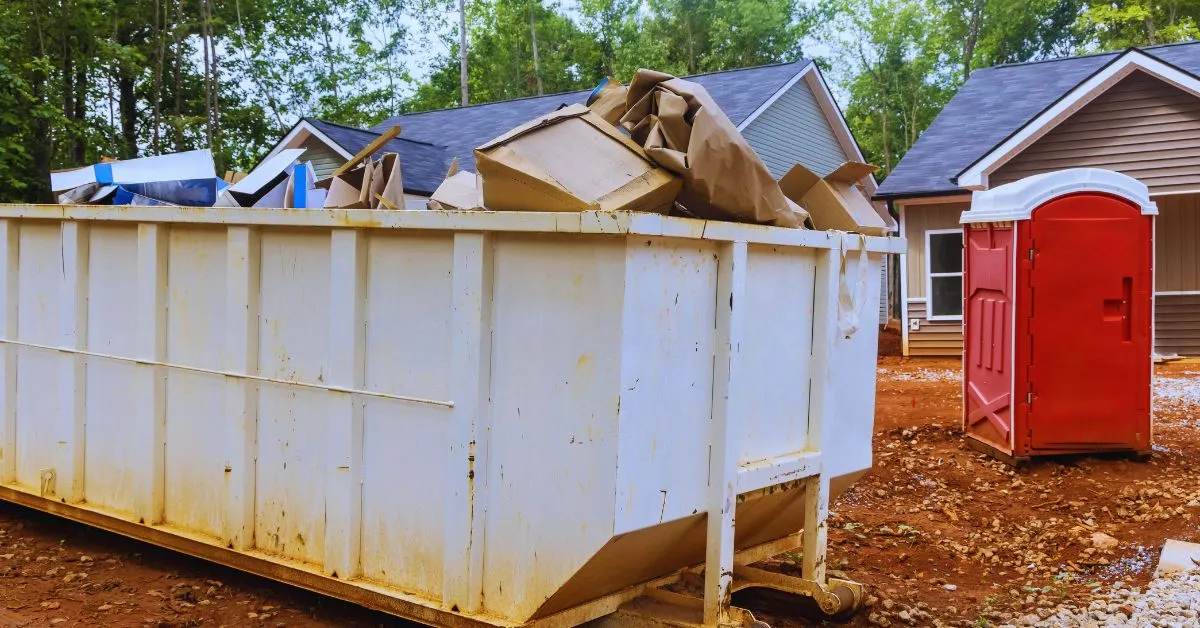
Home improvement projects often generate more debris than expected. Whether replacing flooring, remodeling a kitchen, or completing a full interior renovation, materials begin to accumulate quickly once demolition starts. For both contractors and DIY homeowners, one of the most common challenges is managing dumpster capacity effectively.
Overfilled dumpsters can create delays, safety concerns, and additional coordination issues. Planning ahead and managing debris properly helps keep projects running smoothly while maintaining a clean and organized work environment.
Overfilled dumpsters are rarely the result of a single mistake. More often, they occur when multiple small factors are overlooked during planning and execution.
Common causes include:
- Underestimating the volume of debris
- Ignoring weight limits for dense materials
- Loading materials inefficiently
- Delaying container swaps or pickups
- Mixing bulky items without breaking them down
Home improvement projects can escalate quickly, especially once walls, flooring, or cabinetry are removed. Without a clear plan for handling this volume, containers can reach capacity sooner than expected.
Accurate planning begins with understanding how much material will be removed. The scope of the project plays a major role in determining the appropriate dumpster size.
Consider the following when estimating debris:
- Number of rooms involved
- Types of materials being removed
- Presence of heavy materials such as tile or plaster
- Amount of built-in structures like cabinets or shelving
Projects involving kitchens and bathrooms tend to produce both bulky and dense waste, which can fill containers faster than anticipated. Choosing a slightly larger container than initially estimated can help reduce the risk of running out of space mid-project.
Many people focus only on how full a dumpster appears, but weight is just as important. Materials such as tile, concrete, and roofing shingles can add significant weight even when the container is only partially filled.
Exceeding weight limits can lead to additional fees or difficulty transporting the container. It may also prevent the dumpster from being safely removed from the site.
Balancing volume and weight considerations helps ensure the container remains within allowable limits throughout the project.
How debris is placed inside the dumpster has a direct impact on how much it can hold. Inefficient loading can waste valuable space and lead to premature overflow.
Best practices for loading include:
- Breaking down large items such as cabinets or furniture
- Placing flat materials like drywall or wood panels along the bottom
- Distributing weight evenly throughout the container
- Filling gaps with smaller debris to maximize space
Taking a few extra minutes to load materials strategically can significantly extend the usable capacity of the dumpster.
One of the most common issues with overfilled dumpsters is stacking debris above the fill line. While this may seem like a quick solution, it creates several problems.
Overfilled containers may not be transportable due to safety regulations. Loose debris can fall during transport, and haulers may refuse to pick up containers that exceed safe limits.
Maintaining debris within the designated fill line ensures the container can be removed without delays or additional handling.
For larger home improvement projects, a single dumpster may not be sufficient for the entire job. Planning for additional pickups or container swaps helps prevent overflow.
Monitoring the fill level regularly allows contractors and homeowners to schedule service before the container reaches capacity. This proactive approach helps maintain workflow without interruptions.
Working with experienced providers such as Waste Removal USA allows project teams to coordinate pickups based on the pace of the work.
Some projects benefit from separating materials based on type. For example, bulky items can be broken down and loaded efficiently, while heavy materials can be distributed evenly to avoid concentrated weight.
In certain cases, separating waste streams can also help with disposal requirements, depending on local regulations.
Although not always necessary, thoughtful sorting can improve container efficiency and reduce the risk of overfilling.
The demolition phase of a home improvement project typically produces the highest volume of debris. This is when dumpsters are most likely to fill quickly.
Ensuring a container is available before demolition begins—and considering additional capacity during this phase—helps prevent overflow. Once demolition is complete, the volume of waste often decreases, making it easier to manage remaining debris.
Planning around peak activity periods helps maintain control over waste throughout the project.
Allowing debris to accumulate outside the dumpster increases the risk of overfilling later. Piles of waste may eventually need to be moved into the container, which can exceed its capacity.
Encouraging consistent disposal throughout the project helps prevent buildup. Keeping work areas clear also improves safety and efficiency, allowing crews to focus on the renovation itself.
A clean workspace supports better organization and reduces the likelihood of last-minute overflow issues.
Selecting the right dumpster size is one of the most important decisions in avoiding overfill. Smaller containers may be sufficient for minor projects, but larger renovations often require additional capacity.
When in doubt, it is often more efficient to choose a container that provides extra space rather than one that fills too quickly. This approach reduces the need for urgent service calls and keeps the project moving without interruption.
Consulting with experienced providers can help ensure the container size aligns with the expected scope of work.
As the project nears completion, remaining debris such as packaging, trim, and leftover materials must be removed. If the dumpster is already full, this final cleanup can become more complicated.
Leaving sufficient space for end-of-project waste ensures everything can be disposed of before the container is removed. This helps complete the project without needing additional disposal arrangements.
Overfilled dumpsters can slow progress, create safety concerns, and add unnecessary complications to home improvement projects. By estimating debris accurately, loading materials efficiently, and planning for timely pickups, contractors and DIY homeowners can avoid these issues.
Proper waste management is an essential part of any renovation project. When dumpsters are used effectively and kept within their capacity, work areas remain organized, cleanup is more manageable, and projects are more likely to stay on schedule from start to finish.
 admin
admin